Long-form writing pulled directly from the dedicated articles repository and published here as part of the portfolio.
7 articles
April 8, 2026
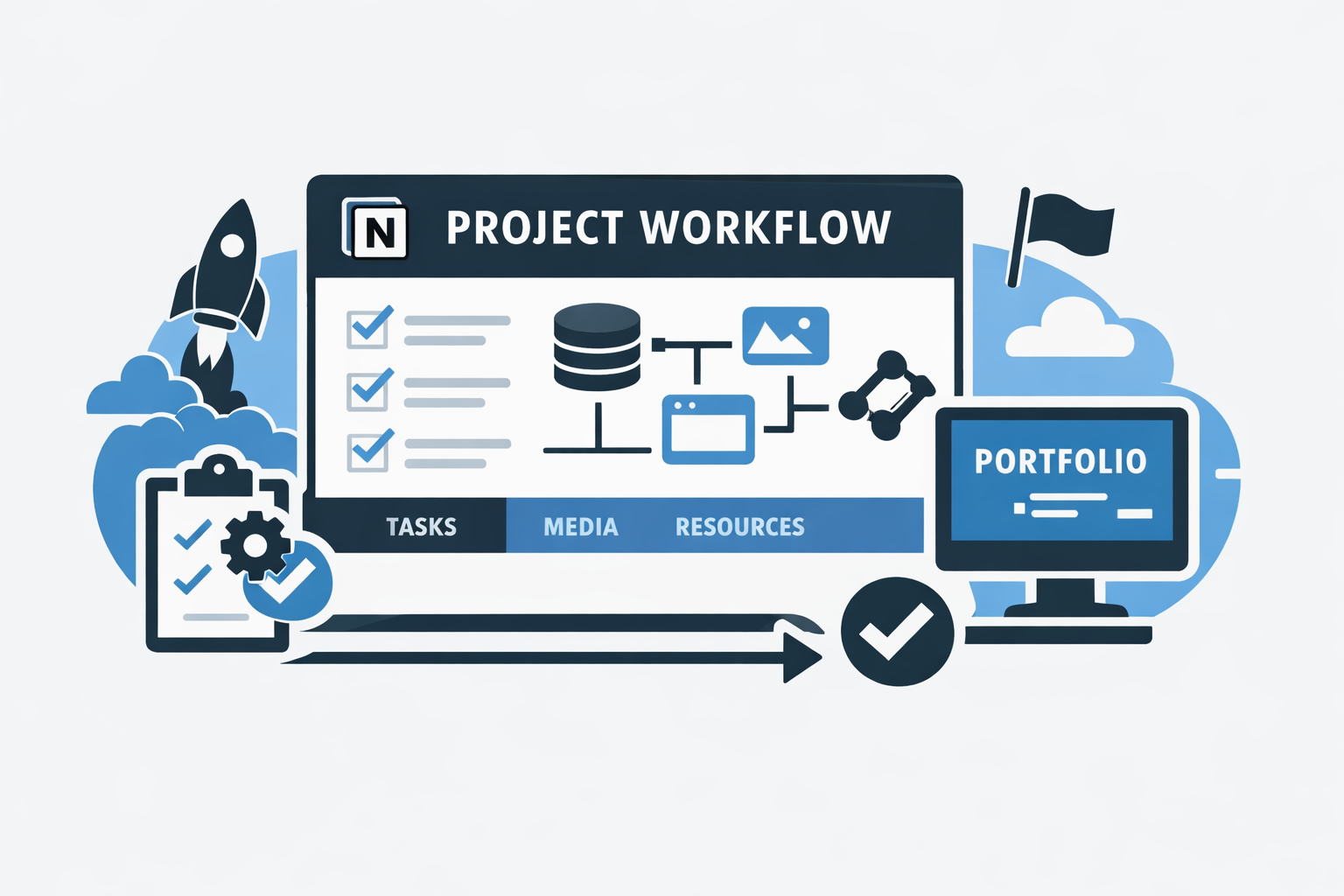
How I Sync My Portfolio Using Notion
How a portfolio can be built as a publishing pipeline, with Notion as the source of truth, n8n creating a JSON handoff, Python scripts normalizing content and media, and Next.js exporting the final static site. The result is a cleaner separation between editing, transformation, and publishing, making the site more predictable and maintainable.
The Art of Turning a 90-Minute Task Into a 2-Month Automation Project
The article traces the evolution of four systems - Obsidian + Project Management App, OPE, RPOVault, and Folio - built to keep project metadata, files, and a public portfolio in sync without constant duplication. Each version clarified the value of structured project records, but also exposed the growing maintenance cost of owning every layer, especially around files, media, and editing workflows. The final takeaway is that integrating existing tools like Notion, n8n, GitHub Actions, and Firebase solves the real problem more effectively than continuing to maintain a complex custom application.
April 7, 2026Series: Using Google Sheets as an Application Database
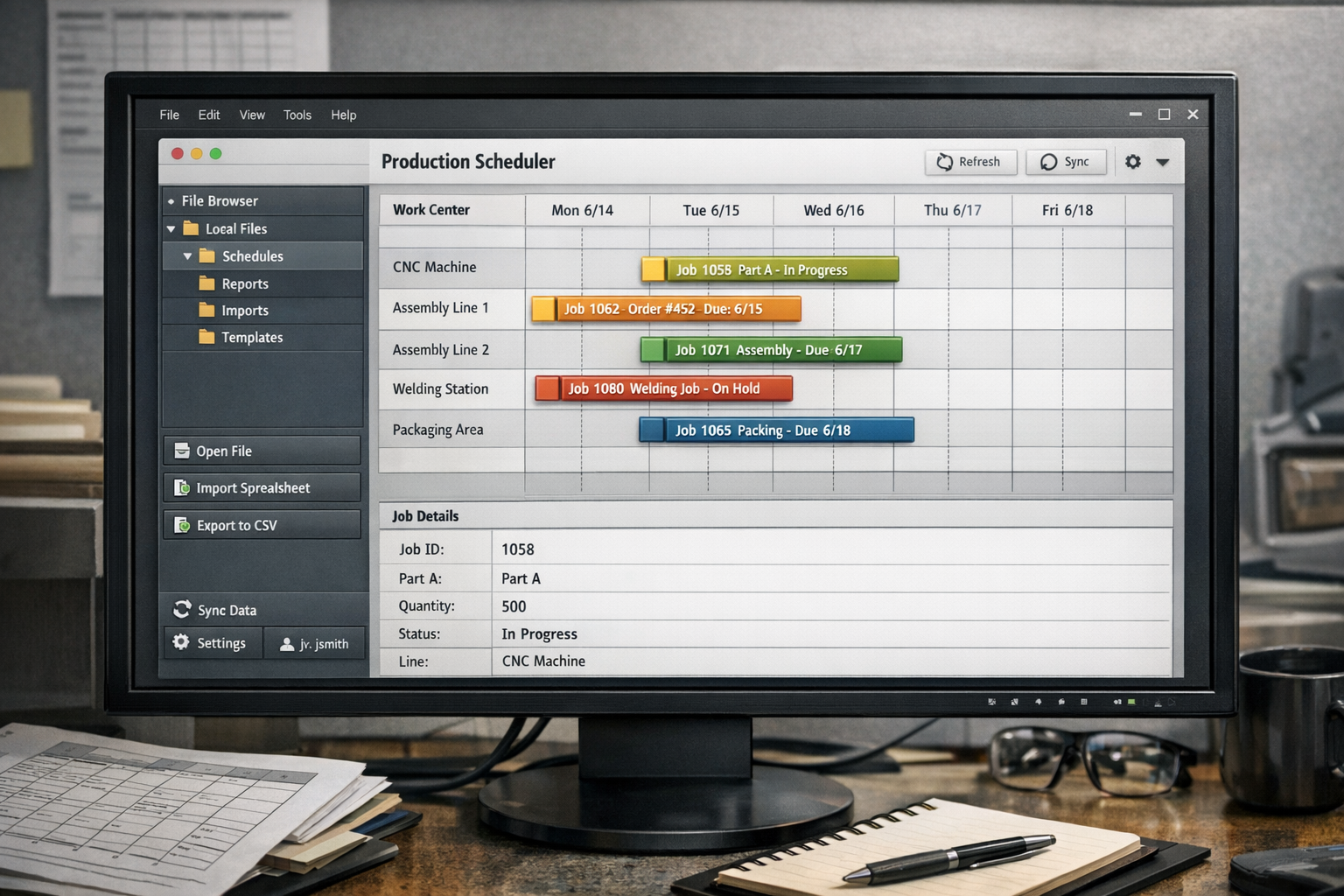
Building a Desktop App Around Google Sheets
This project began after seeing a manufacturer manage production schedules through emailed Excel files, which exposed how much critical operational work was being held together by fragile spreadsheet workflows. It started as a desktop app built around those existing habits, but the bigger lesson was that the real challenge was not just replacing spreadsheets, it was reducing the friction of adoption. That led to a web-based version focused on easier onboarding, configuration, and reusable workflow views, with the project ultimately becoming a lesson in testing earlier and designing for usability before technical ambition.
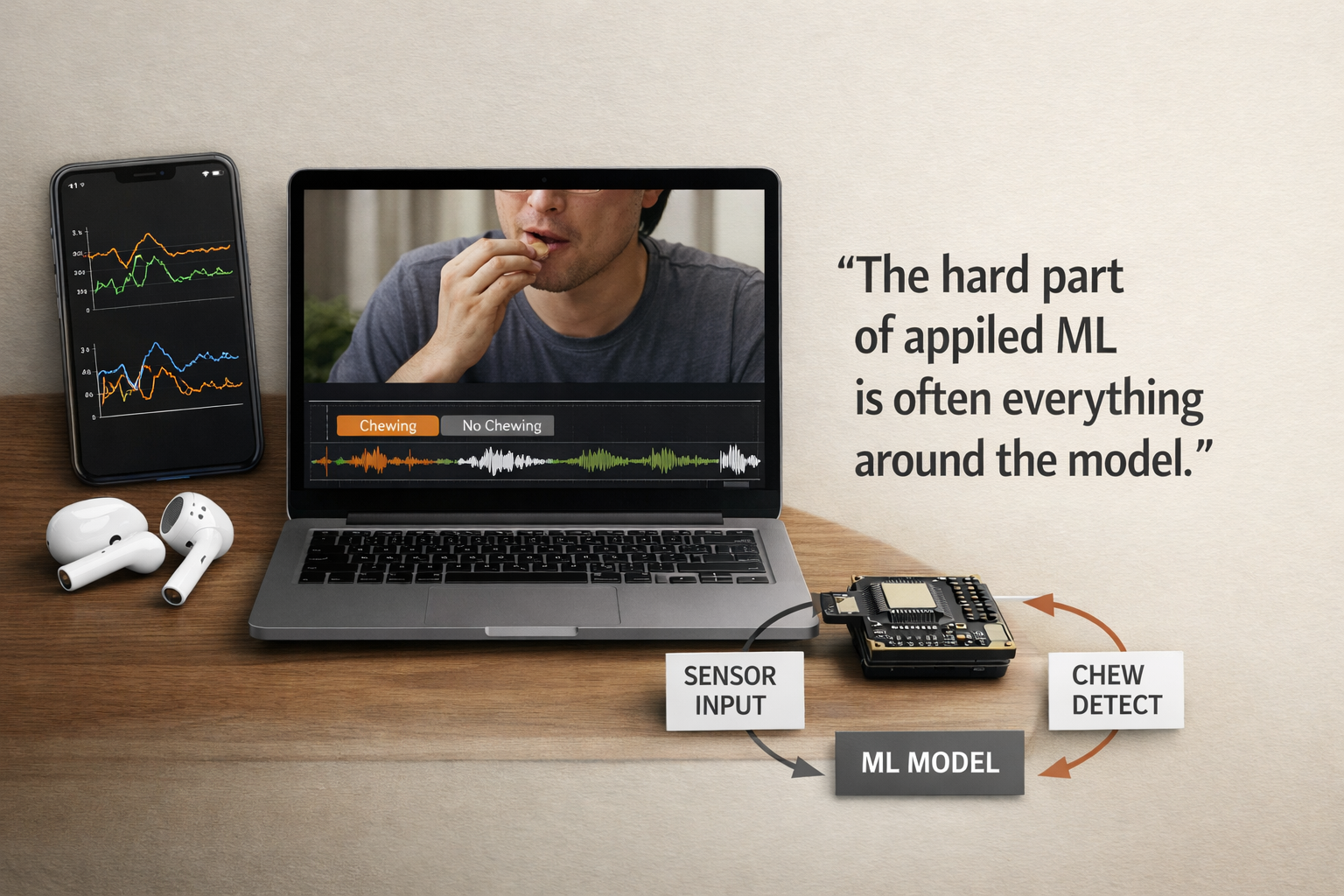
Building ChewSense - Using Motion Data For An On-Device AI Health Agent
This article traces how ChewSense evolved from early experiments with raw AirPods motion signals into a structured pipeline for session collection, video-assisted labeling, feature extraction, model training, and on-device inference. The core lesson is that the hardest part of applied ML was not just training a model, but building the surrounding system needed to collect trustworthy data, preserve feature parity, and make runtime behavior believable.
April 4, 2026Series: Engineering AI for Recognition and Memory
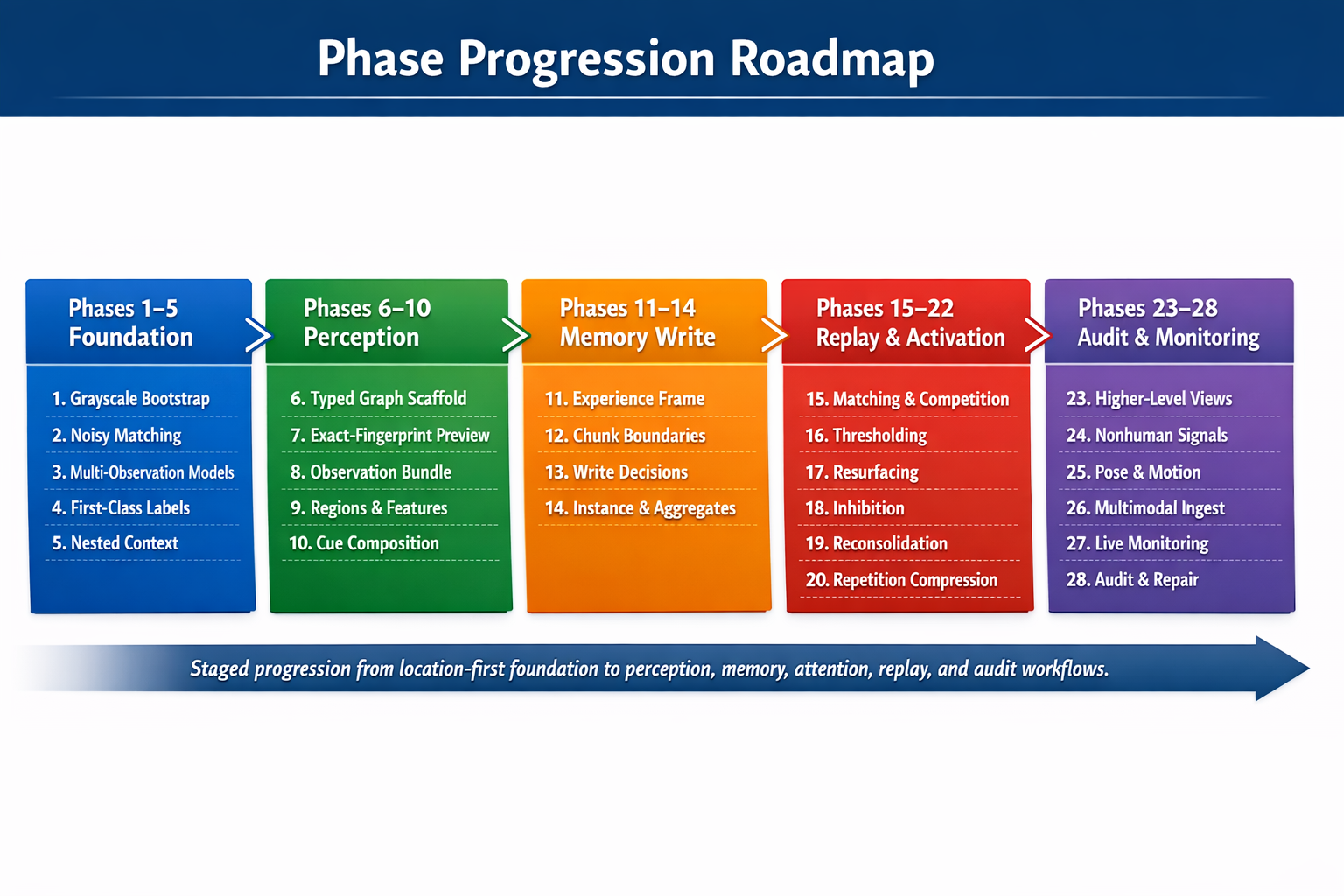
Building a Location-First Learning Agent to Explore Context, Memory, and Consciousness
This explores the idea that recognition comes more from place, context, and repeated reinforcement than detached labels, using an inspectable Python CLI agent that learns locations from sensor observations and stores state plainly. It evolves from simple grayscale location memory into richer, modality-neutral location and concept structures, with a roadmap toward broader memory processes like activation, replay, resurfacing, and reconsolidation.
AIAdaptiveCLILearningLocationMLPythonSensorState ManagementSynthetic MemoryTrain of Thought Agent
April 1, 2026Series: My Notion Pipeline
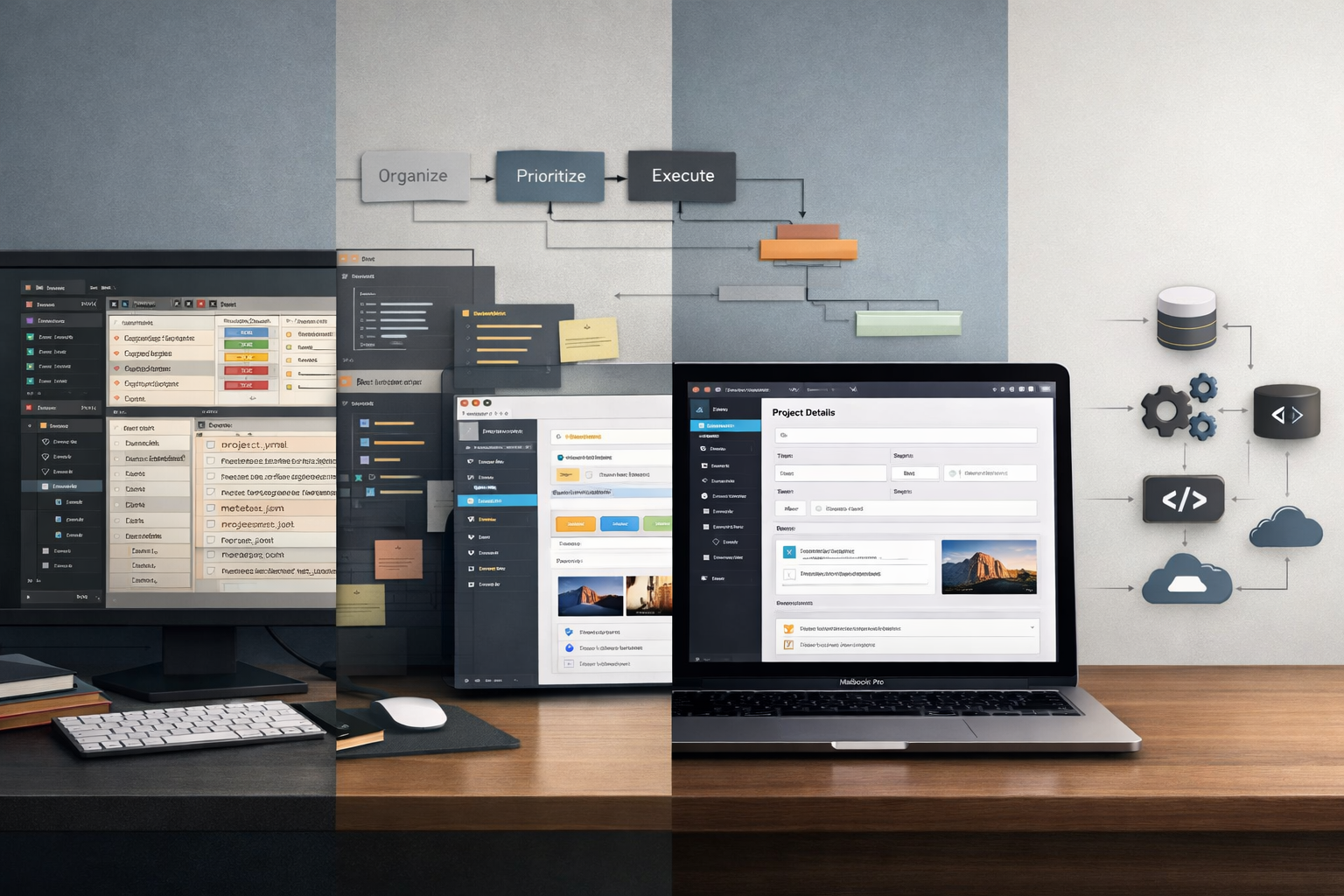
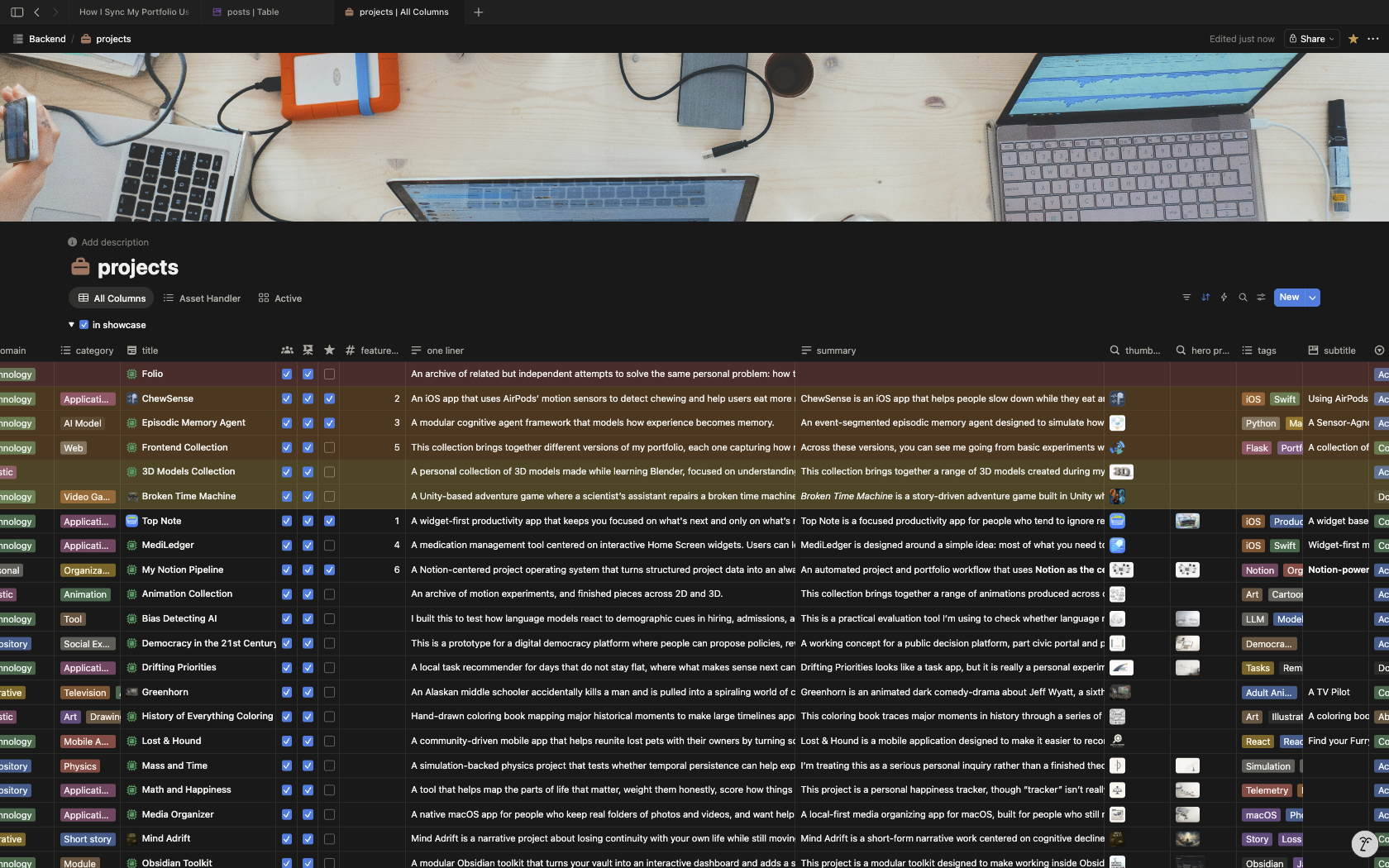
How I Use Notion to Ingest, Organize, and Track My Projects
This Notion setup is a guided project intake workflow rather than a simple notes system: each project starts from a template, highlights the highest-priority next step, and builds toward execution, portfolio readiness, and future automation. By checking key setup steps automatically and separating projects, tasks, assets, resources, and milestones into linked systems, it reduces friction and makes the workflow easier to manage as it scales.
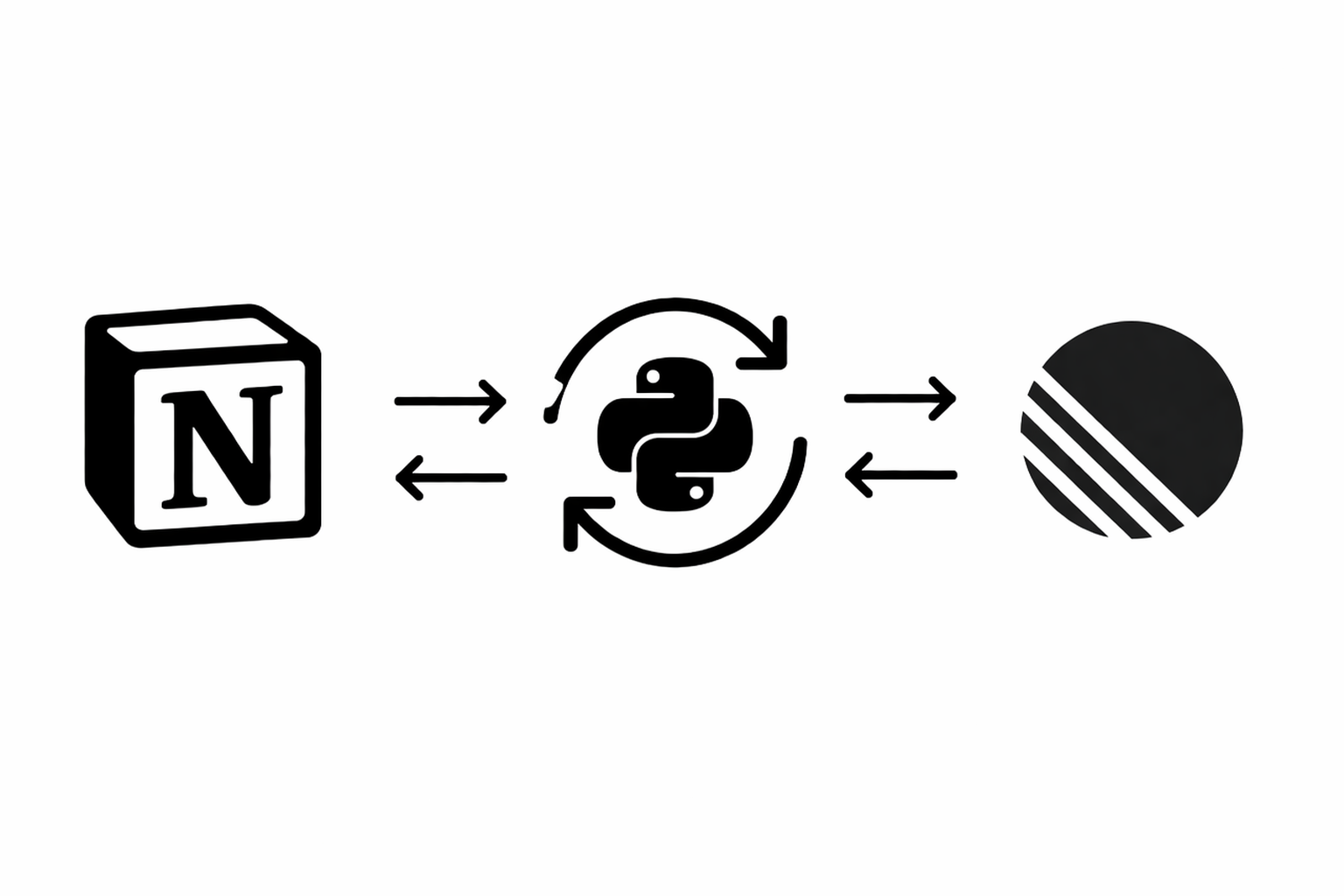
A bidirectional sync engine that keeps Notion and Linear aligned by normalizing their data into shared models, reconciling meaningful changes, and preserving relationships and identity across systems.
API IntegrationAutomationLinearNotionPythonState ManagementSystems DesignMy Notion Pipeline